Injury Information
Sever’s Disease
Sever’s Disease (Calcaneal Apophysitis): A Simple Guide for Parents and Young Athletes
Sever’s disease (also known as calcaneal apophysitis) is a common cause of heel pain in children and adolescents, especially during growth spurts. It occurs when the growth plate at the back of the heel grows rapidly, and the surrounding calf muscles and Achilles tendon do not lengthen at the same rate. This difference in growth creates increased tension at the growth plate at the back of the heel, leading to irritation and pain.
It is important to keep in mind that while Sever’s can be uncomfortable and cause activity limitations, it is temporary and typically resolves once growth is complete, and its symptoms can be managed with appropriate treatment and strategies.
Who does Sever’s typically affect?
Children and adolescents aged 8-15, especially common in those who are involved in sports such as basketball, soccer, netball, dance and athletics.
These sports involve an increased amount of running, jumping, and quick changes in direction, placing repeated stress through the heel. In growing children, the heel contains a softer growth plate that is more sensitive to increased load. The calf muscles and Achilles tendon also pull on the heel during these movements, further increasing strain on the area, thereby leading to symptoms seen in Sever’s.


What are some common symptoms of Sever’s Disease?
Young people with Sever’s Disease often experience:
- Heel pain during or after physical activity
- Pain that improves with rest but returns after sport or physical activity
- Pain or stiffness in the heel with the first few steps in the morning, which may slightly ease with movement
- Tenderness when squeezing the sides of the heel
- Limping or walking on toes to avoid pressure on the heel
- Difficulty or pain with running or jumping activities
Symptoms may affect one or both heels.
How can physiotherapy help?
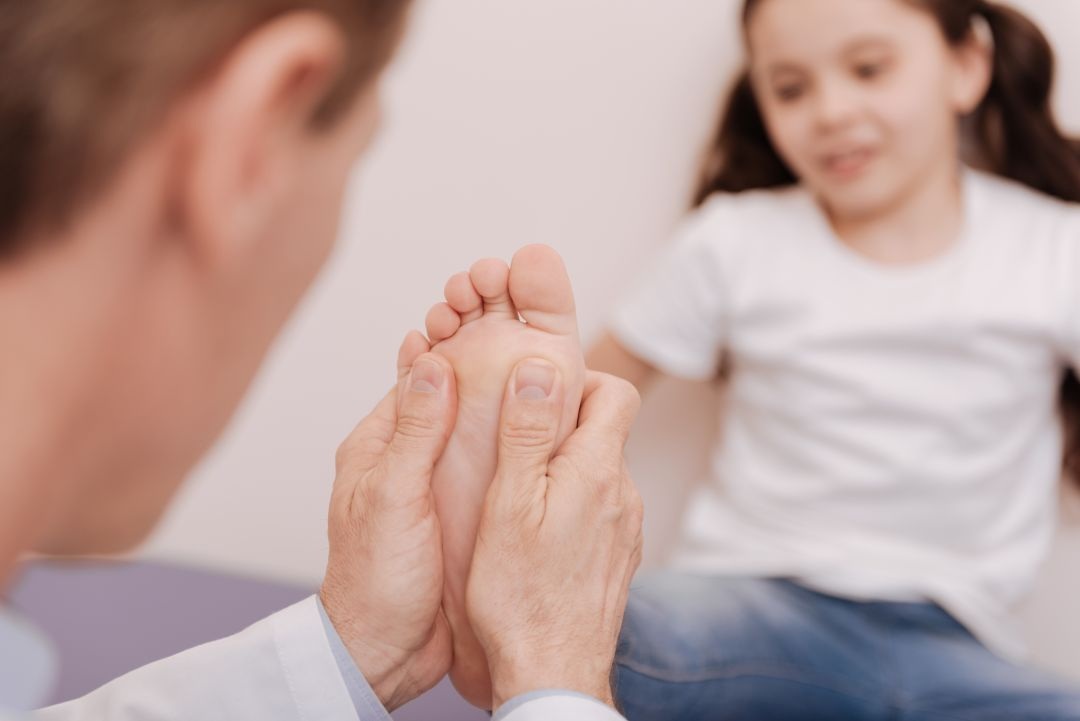
- Biomechanic assessment of contributing movement factors and tailored exercises for feet, ankles, and legs to improve load tolerance.
- Assessment of other contributing factors such as activity load, footwear, and calf tightness.
- Guidance on appropriate stretches for the calf to relieve tightness.
- Education about the condition and expected recovery timelines.
- Advice on activity modification to suit individual needs.
- Pain relief strategies such as massage, taping, or orthotic advice if needed.
- Safe, structured return to sport guidance to reduce risk of further injury.
What can you do at home?
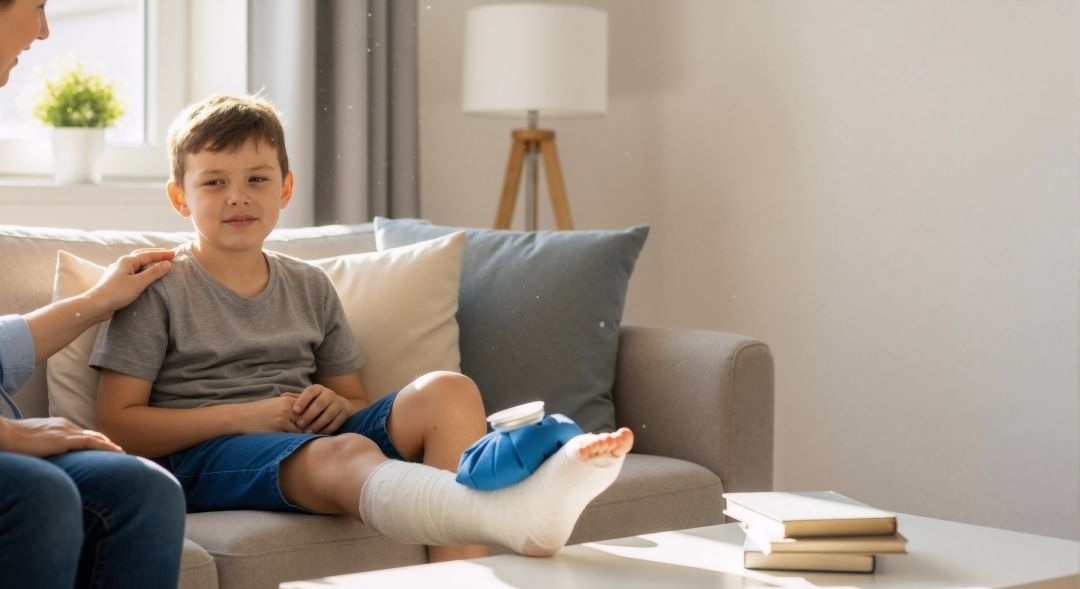
- Reduce high-impact activities (running, jumping, hopping) during flare-ups as guided by your physio.
- Apply ice to the heel for 15-20 minutes after aggravating activity.
- Wear supportive, well-cushioned shoes and avoid flat or worn-out footwear.
- Encourage rest, but not complete inactivity. There are safe ways to stay active without putting stress on the heel, allowing your child to continue participating in physical activity.
These simple strategies can help settle symptoms and support recovery.
Orthotics for Sever’s Disease
Orthotics can be a useful short-term option to help manage symptoms in young people with Sever’s Disease. Simple inserts such as heel cups or heel lifts can reduce impact on the heel and ease tension through the Achilles tendon, which can relieve pressure on the irritated growth plate.
A physiotherapist can provide guidance on appropriate off-the-shelf options, while a podiatrist can provide a more detailed assessment and prescribe custom orthotics if needed.
However, orthotics are not a standalone solution. They are most effective when combined with physiotherapy, including load management, stretching, and strengthening. Most children only need them temporarily while symptoms settle, and growth stabilises.
Speak to your physiotherapist to determine which option would provide the greatest benefit for your level of Sever’s.


Recovery timelines
The recovery time for Sever’s disease depends on the severity of symptoms, activity levels, and how well load is managed. Generally:
- Mild cases may settle within a few weeks with activity modification, stretching, and supportive footwear.
- Moderate cases often take 6–12 weeks to improve, especially if the child continues participating in sport.
- More persistent cases can last a few months and may flare up during growth spurts or increases in activity.
- Heel supports or orthotics can help reduce pain but should be combined with physiotherapy and gradual return to sport.
With the right management approach, most children recover well and can continue to stay active, with symptoms fully resolving once the heel growth plate matures.